Conduct thorough soil tests before planning foundations. The couple needed to install deep piles due to marshy soil, which increased complexity and cost.

I’m on a road of discovery to build my own house.
To find inspiration I review past builds and share my opinion, picking out the features of the buildings, materials and the process.
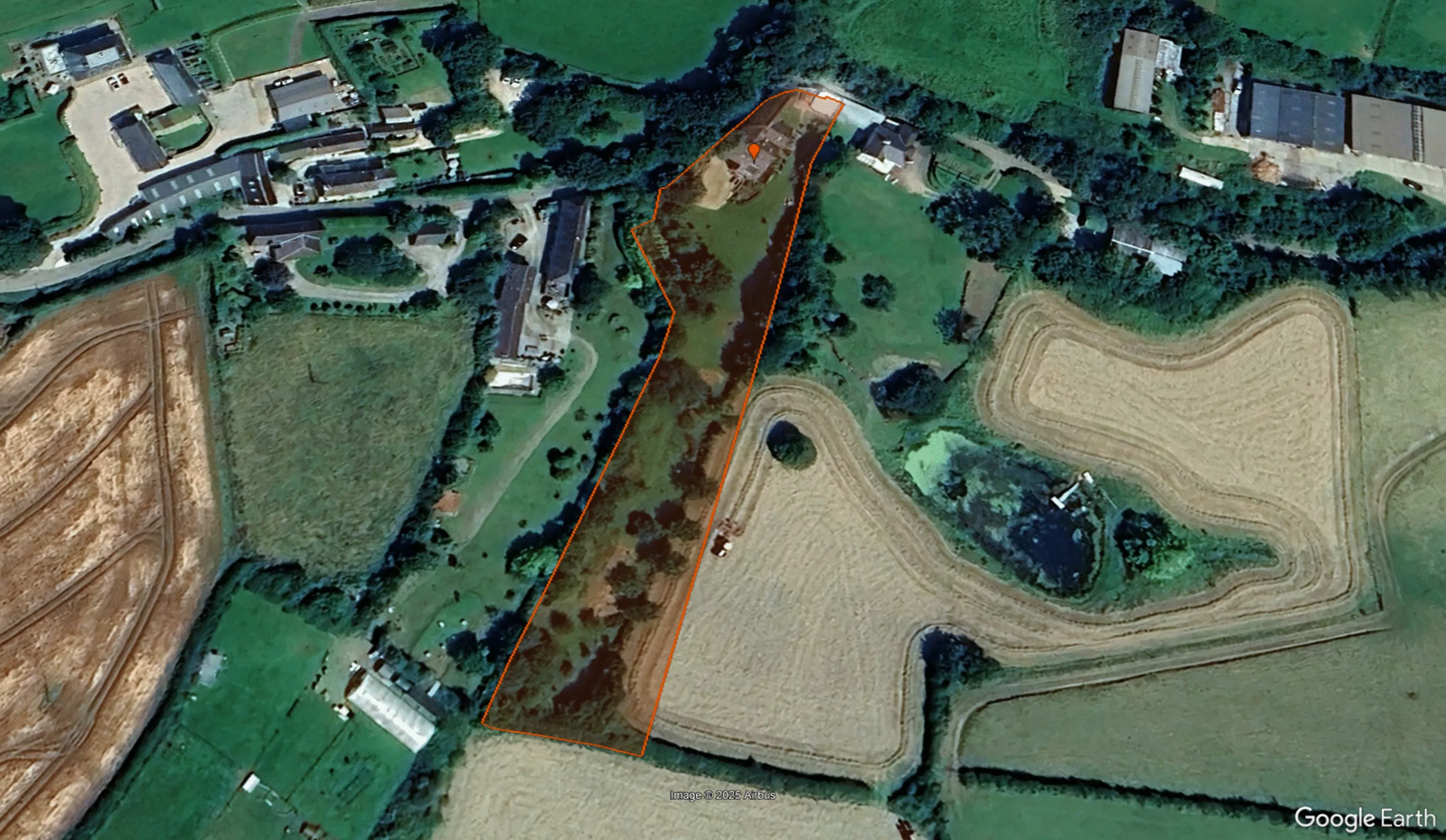

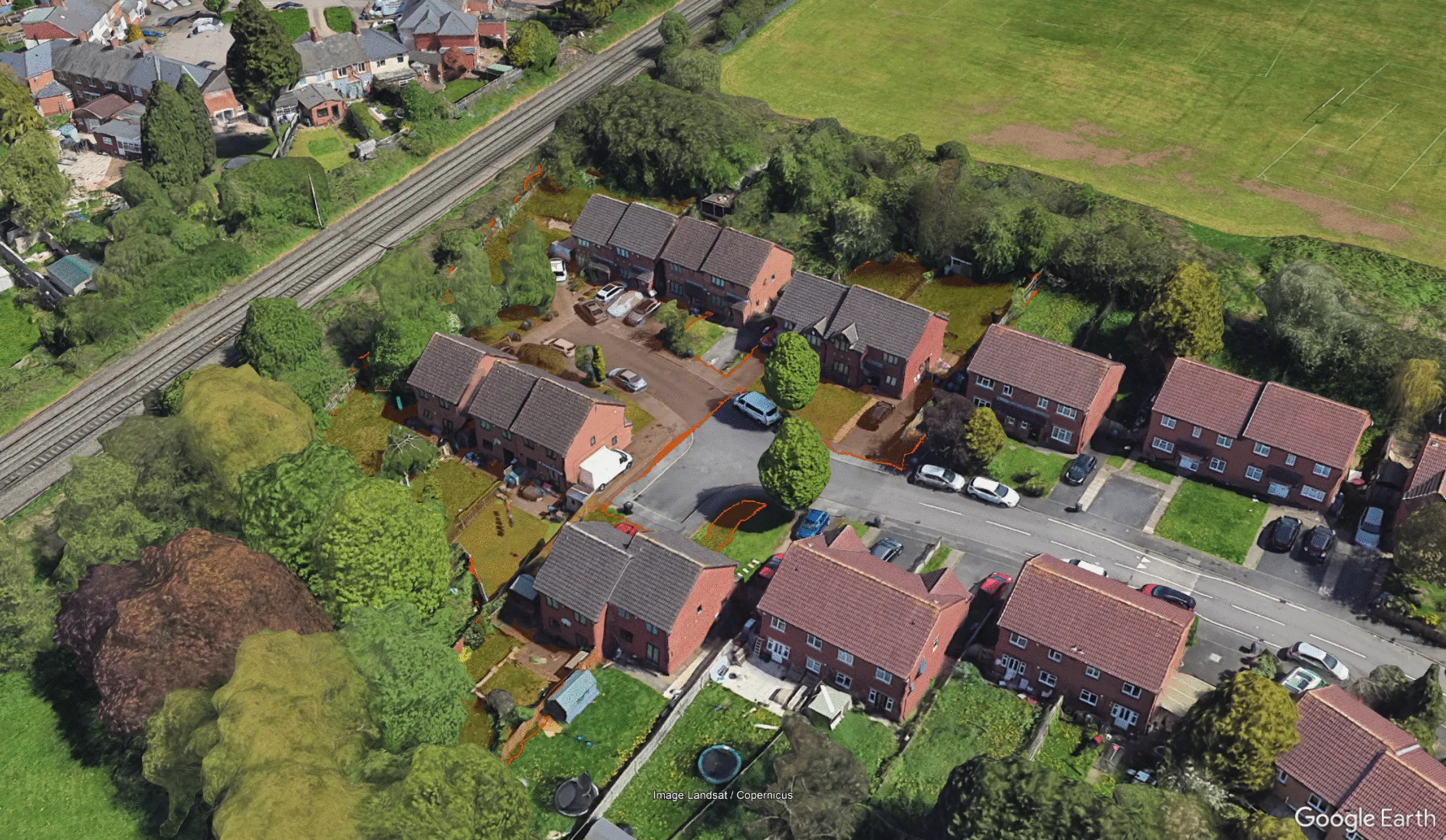
This is the largest and longest project I have ever undertaken and there will be many lessons along the way. I’ll be sharing them all and creating them as tips that you can use for your build.
Conduct thorough soil tests before planning foundations. The couple needed to install deep piles due to marshy soil, which increased complexity and cost.
Stay open to changing design ideas and inspirations that arise throughout the project. What you envision may evolve as the building reveals its character and history.
Always have a contingency budget set aside for unexpected costs. The project’s budget ballooned beyond initial estimates due to various issues. A typical allowance is 10-20% of the total budget to anticipate potential overruns.
Passion for design and personal investment in the project can lead to a rewarding experience. Kathryn’s love for Scandinavian design drove her to make thoughtful decisions, resulting in a home that truly reflected her identity.
Take an active role in managing the project to ensure that your vision is realised. If possible, learn about the building process so that you can confidently oversee contractors and tasks.
Be ready for the emotional and logistical demands of managing a build yourself. There will be peaks and troughs – stay focused, and maintain communication with your team to navigate through issues effectively.
If you have experience in property development or design, apply those lessons to your self-build project to avoid repeating mistakes.
Always include a contingency budget for unexpected expenses. Projects can often exceed their original budget, due to unforeseen issues or changes in materials.
Ensure that all measurements are precise and confirmed by professionals before ordering structural elements. Small discrepancies can lead to significant delays and costs.
Be flexible and willing to adjust your designs based on the building’s structural and legal realities. Innovative solutions may be required when existing conditions present challenges.
Before starting, set a clear and realistic budget and stick to it. Avoid the temptation to throw the budget out of the window in pursuit of perfection. Plan for unforeseen costs and allow some buffer for unexpected expenses.
Have a contingency fund for unexpected expenses that may arise during renovations. Tony and Sharon initially estimated a budget of £50-60k but ended up closer to £90k. Always plan for financial flexibility.
Investing in high-quality materials and craftsmanship (even if they are expensive) often pays off in the long term through durability and aesthetics.
Old buildings can hide numerous surprises. For example, Tony uncovered original wallpaper layers and an antique fireplace. Be adaptable and ready to change plans based on these findings.
Maintain a clear distinction in your design between work (agricultural activities) and personal living spaces to preserve the comforts of home while managing farm duties effectively.
Engage with local councils and community perspectives early in your renovation project. Planning regulations can significantly affect how work is done, and understanding these nuances will help facilitate smoother progress.
Avoid the mistake of not employing a quantity surveyor for cost estimation. Getting professional help early can provide an accurate forecast of costs, preventing significant financial shortfalls down the line.
Always plan for potential budget overruns when embarking on an ambitious build. The initial budget may quickly become insufficient due to unforeseen expenses related to complexity, materials, or delays. Adjust expectations accordingly.
Moving from an urban to a rural environment will bring significant lifestyle changes. Ensure that both partners are on board with the commitments and adjustments required for off-grid living.
If you want a pond/lake nearby it is sensible to have it near the house to use the rain water from the roof and surfaces of the building.
If using prefabricated materials, be aware that delays in assembly can lead to issues with material integrity (e.g., wooden frames sitting for too long can warp). Aim to assemble within recommended time frames to maintain quality.
Remember that building for oneself can be vastly different from building for others. Learn from every mistake and unexpected setback—this is part of the growth process.
Be prepared to be flexible with your original plans. Compromises may be necessary, whether due to budget constraints, design limitations, or time pressures.
When working with listed buildings, ensure that any alterations respect the structure’s historical significance. This includes avoiding drastic modernisations that detract from its character.
Keeping a detailed record of the construction process can be beneficial for future reference, problem-solving, and sharing knowledge with others interested in self-building.
Selecting an architect with experience in navigating difficult planning processes is crucial. Their knowledge and networks can be invaluable in getting your build approved, as was the case for Mike and Sarah with architect Jillian Mitchell.
Be aware that undertaking a large restoration project can be emotionally taxing. It requires passion and resilience, especially through financial and structural challenges.
While Ed and Rowena had a loose budget, creating a detailed budget and tracking every expense can prevent overspending. Regularly revisiting and adjusting your budget based on progress can help maintain financial control.
Understand that building a house will come with learning curves. Mistakes can be opportunities for growth, so foster a mindset that embraces learning and improvement.
Be prepared for potential delays in the planning approval process. Allow yourself ample time (as Dean and Sarah did, nearly a year and a half) for dealing with permissions and regulations when dealing with heritage buildings.
Familiarise yourself with the building process and timeline to avoid surprises and setbacks. Sean’s lack of knowledge led to delays and frustrations for both him and his team.
Capture the experiences and challenges throughout the project. This can provide a reflective practice for future builds and may serve as inspiration for others.
Acknowledge and celebrate milestones during the construction process. This maintains morale and serves as motivation to push through more difficult phases.
Design your space to be multifunctional. Monty’s house includes a retractable roof and spaces that can be repurposed for different activities, maximising utility.
Be aware of the local building regulations and planning permissions early on. A design that doesn’t conform to local standards, like the case of the white render, can lead to rejection and necessitate appeals, wasting valuable time.
Understand that self-building can be a significant emotional journey. Embrace the learning process and the skills you acquire, as they contribute to your personal growth and the final outcome.
Before starting demolition or construction, take time to visualise and plan the layout and design of the home. An effective design can enhance the liveability and aesthetic appeal of the space, ensuring that it meets the family’s needs.
Self-building requires a significant time commitment. Be prepared for long hours and the possibility of your life being dominated by the project. Reflect on your personal circumstances and discuss this commitment with your family before committing.
Initially, Graham and Mel had a contingency plan in place, but they quickly ran out of funds because of unexpected expenses. Always budget more than you think necessary to accommodate unforeseen costs.
Engage with local authorities to understand the necessary planning permissions before making a purchase. The couple faced delays while working to secure permission, which could have been avoided with prior research.
When building unconventional structures like a floating home, conduct thorough testing of all innovative systems to ensure they perform as expected. The float test that eventually occurred for their basement was a pivotal moment in the project.
Changing designs or major components after construction has started can introduce delays and additional expenses. Finalising designs upfront keeps the project on track.
Recognise your limitations. For specialised tasks (like installation of solar panels or large glass sections), hire professionals instead of trying to do it yourself, as mistakes can be costly.
While it’s important to have a beautiful design, ensure that practical needs are met (e.g., safety, accessibility). Chris and Jill had to consider functionality in their modernist design choices.
Always have a contingency plan for financial difficulties, project delays, or other significant setbacks. Know how you would manage these situations before they arise.
While it’s essential to have professionals involved, ensure their expertise aligns with your vision and needs. Andrew’s architectural knowledge and commercial building techniques were vital in executing the project but required clear communication of the family’s lifestyle needs.
Balancing eco-friendly initiatives with aesthetic desires is vital. Ensure all stakeholders (like family members) are involved in design discussions to harmonise functional and aesthetic elements.
If your design involves unconventional shapes and materials (like the zinc shards), be prepared for increased complexity in construction. Ensure that you’re working with builders who are experienced with non-traditional designs.
Community led building projects build a relationship with the neighbours before they become neighbours. It can strengthen bonds and improve the community spirit.
Building a home takes time and dedication. Be prepared for potential setbacks, and allow yourself to adapt your timeline and expectations accordingly.
I also create frameworks to help deconstruct the process and provide tools that can help get over project sticking points.