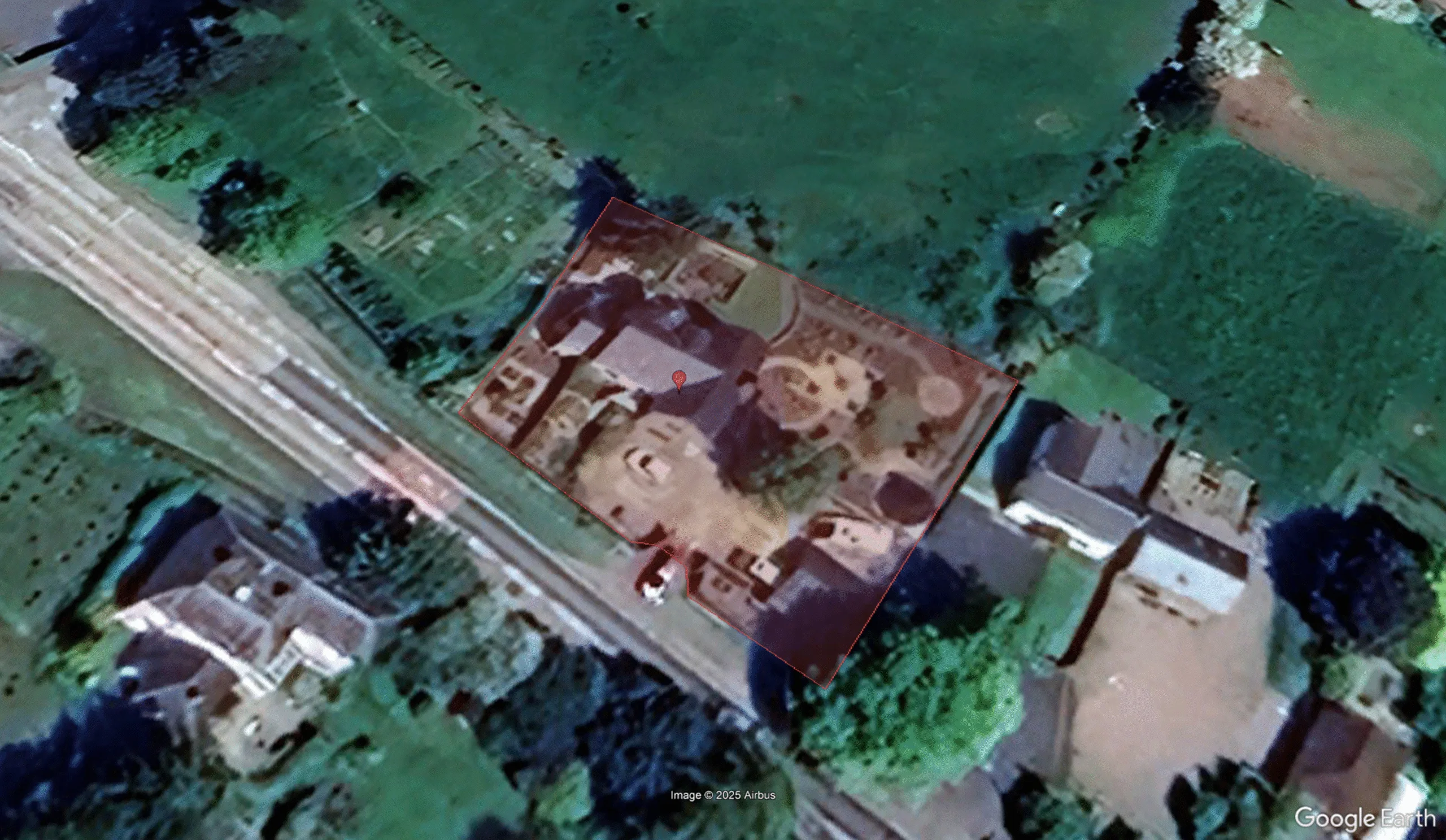


Before purchasing land, conduct a thorough investigation of its topography and soil stability. Building on steep or unstable ground can lead to unexpected costs and complications in the design and construction phases.
I’m on a road of discovery to build my own house.
To find inspiration I review past builds and share my opinion, picking out the features of the buildings, materials and the process.
This is the largest and longest project I have ever undertaken and there will be many lessons along the way. I’ll be sharing them all and creating them as tips that you can use for your build.
Before purchasing land, conduct a thorough investigation of its topography and soil stability. Building on steep or unstable ground can lead to unexpected costs and complications in the design and construction phases.
If faced with complicated financial situations, such as high debt or multiple mortgages, consulting with a financial advisor can provide clarity and alternative options.
When working with listed buildings, ensure that any alterations respect the structure’s historical significance. This includes avoiding drastic modernisations that detract from its character.
Selecting an architect with experience in navigating difficult planning processes is crucial. Their knowledge and networks can be invaluable in getting your build approved, as was the case for Mike and Sarah with architect Jillian Mitchell.
Recognise that quality should take precedence over the timeline. Rushing through tasks can lead to errors that may require costly reworking down the line.
If working with a partner or spouse, split responsibilities based on expertise. This can lead to a successful project and preserve personal relationships under the stresses of building.
Maintain a balance between the intense demands of a self-build project and family life. Communicate with family about expectations and involve them in the process to alleviate pressure.
Building a home is emotionally taxing. Prepare for the physical and psychological demands of construction by maintaining open communication with your partner and seeking support when needed.
Be prepared for the unexpected, whether it’s changes in needs, unexpected delays, or technical challenges. Staying adaptable helps manage stress and can lead to creative solutions to problems.
Anticipate challenges such as sourcing materials or finding contractors willing to take on complex jobs. Being proactive, as Sarah did by seeking multiple tenders, helps in managing expectations and reducing frustration.
As a builder or a project manager, maintaining a close eye on the quality of work is crucial. This attention to detail can ensure that the final product meets your standards.
A home can be designed with privacy in mind while still ensuring adequate lighting. The Parsons took unique approaches to design for both, proving it is possible to achieve both objectives harmoniously.
Cultivating relationships with local communities will not only enrich your cultural integration but also create support networks relevant to your new lifestyle.
Combining innovative building techniques with traditional materials can yield positive results. Explore modern insulation and energy efficiency options while maintaining the character of traditional methods.
Life can throw unexpected challenges your way, such as job loss or financial changes. Steph and Alex had to adapt when Alex was made redundant, which required them to change their mortgage application strategy.
Avoid starting construction without a secured mortgage or funding, as this can lead to financial strain and stress. Always have financial backing in place prior to commencing significant renovations.
Clear communication is crucial when coordinating multiple tradespeople or suppliers. Ensure you schedule work to minimise downtime and maintain workflow.
Be mindful of the climate in which you are building. The design should efficiently handle seasonal elements such as rain, which can exacerbate construction delays and complicate work.
Before starting renovations, complete and accurate architectural drawings are crucial. Early reliance on outdated plans can lead to costly errors and modifications during construction.
Make provisions to keep building materials dry as they can be adversely affected by weather. John’s struggle with timber bluing highlights the importance of protecting materials from rain during construction.
Plan for delays in material availability, especially for critical components like steel frames. Ordering materials well in advance can help keep the project timeline on track.
While ambitious designs can create stunning homes, they can also introduce complexity and risk. Barry’s intricate design required significant expertise and sometimes led to confusion during construction.
If you lack certain skills (like project management or concrete pouring), consider hiring experienced professionals for critical tasks while you learn about the process. It may save you both time and money in the long run.
Address potential design challenges early in the planning process. Jane had to react to an unexpected lack of headroom which could have been better anticipated with thorough planning. An early assessment can prevent costly and disruptive changes later on.
Focus on using eco-friendly and sustainable materials when building. The couple made strong choices for energy efficiency and sustainability, using materials like recycled plastic for roofing and straw for walls.
Aim for a balance between ambitious design goals and practical considerations, such as budget constraints and site limitations, to achieve a successful outcome.
Remember the emotional motivations behind building the home. A strong personal connection to the project can provide motivation and a sense of fulfilment once completed.
Opt for materials that provide environmental benefits without compromising quality. The use of eco-friendly concrete panels and sustainable insulation not only contributed to their project’s goals but also reduced their carbon footprint.
Construction is rarely straightforward. Plan for delays due to labour challenges, weather, and site conditions. Fred and Saffron’s excavation took significantly longer than anticipated—nine months instead of the planned three.
Establish a realistic budget and agree on it jointly. Having differing budget expectations can cause conflict and stress throughout the build.
Always research the planning restrictions of a site before purchasing. Understand that building on protected land or near historical monuments often involves a complex and rigorous approval process, which can take years.
Engage family members in the design of the home to ensure it caters to everyone’s needs and desires. A house that reflects the personalities and interests of each family member becomes a cherished space.
Self-build projects are often fraught with challenges and setbacks. Maintain a positive mindset, be adaptable, and be ready to problem-solve creatively when issues arise.
Before committing to a unique property, especially a large and unconventional one like a reservoir, conduct a detailed assessment of its structural integrity and potential renovation challenges. Understanding how existing structures are built and how they can be adapted is crucial.
Keep a thorough record of changes, approvals, and communications during the renovation process. This will serve as an important reference and can aid in resolving disputes if they arise later.
Keep in mind that costs can spiral out of control. Tim did not track costs meticulously, which contributed to budget uncertainty. Setting a realistic budget and allowing for contingencies can help manage finances more effectively.
Consider future adaptations to your home or changing family needs when designing your build. Ben’s forethought allowed him to later add bedrooms for his children without significant alterations.
Be prepared for project management tasks or hire a professional project manager. Managing a build while balancing work and family commitments is challenging and things may slip without dedicated attention.
Clear communication with your construction team is crucial, especially when implementing unique designs. Misunderstandings over complex features can lead to frustration and delays; ensure everyone is on the same page.
Before starting, evaluate what skills you and your team possess realistically. Don’t be afraid to learn and take on new tasks, but Recognise when to seek expert help, especially for complex or critical aspects of construction.
Ensure that the structure is watertight before moving on to the internal fittings. Attempting to speed up the construction by prioritising internal work over making the building waterproof led to water damage, which can become expensive to fix.
If renovating, critically assess existing infrastructures, such as water sources and sewage systems, to determine if they can be upgraded efficiently or if alternatives should be incorporated.
Establish and maintain open lines of communication among all team members, including the architect, contractor, and builders. Regular meetings can help ensure everyone is on the same page, allowing for timely adjustments and coordination.
Proper documentation and communication regarding measurements and setting-out points are essential. Mismatched understanding between the builder and project manager led to costly errors in the floor heights that Jane had to live with. Maintain clear records to avoid similar situations.
Hire experienced professionals who specialise in passive house construction, as their expertise is invaluable in ensuring compliance with certification standards. Coordination between contractors and architects is crucial to prevent delays.
Regularly check in on the build process to stay on schedule and maintain control over the design choices being made. This proactive involvement ensures that your vision is being realised as planned.
When designing spaces like kitchens, plan for functionality to avoid practical issues, such as odour control and storage. Maintain usability while ensuring aesthetic fulfilment.
Conduct thorough site assessments to locate utility lines, such as sewer pipes, to prevent potential disruptions and additional costs during excavation.
Consider innovative architectural solutions that align with sustainability goals if you’re in a position similar to Natasha’s where only exemplary architecture will suffice.
If you are co-building with a partner, engage them in discussions about the project. Shared responsibility can help manage stress and ensure both parties’ vision is incorporated.
I also create frameworks to help deconstruct the process and provide tools that can help get over project sticking points.